
How to Make Decisions Under Pressure: What 30 Years of Split-Second Calls Taught Me
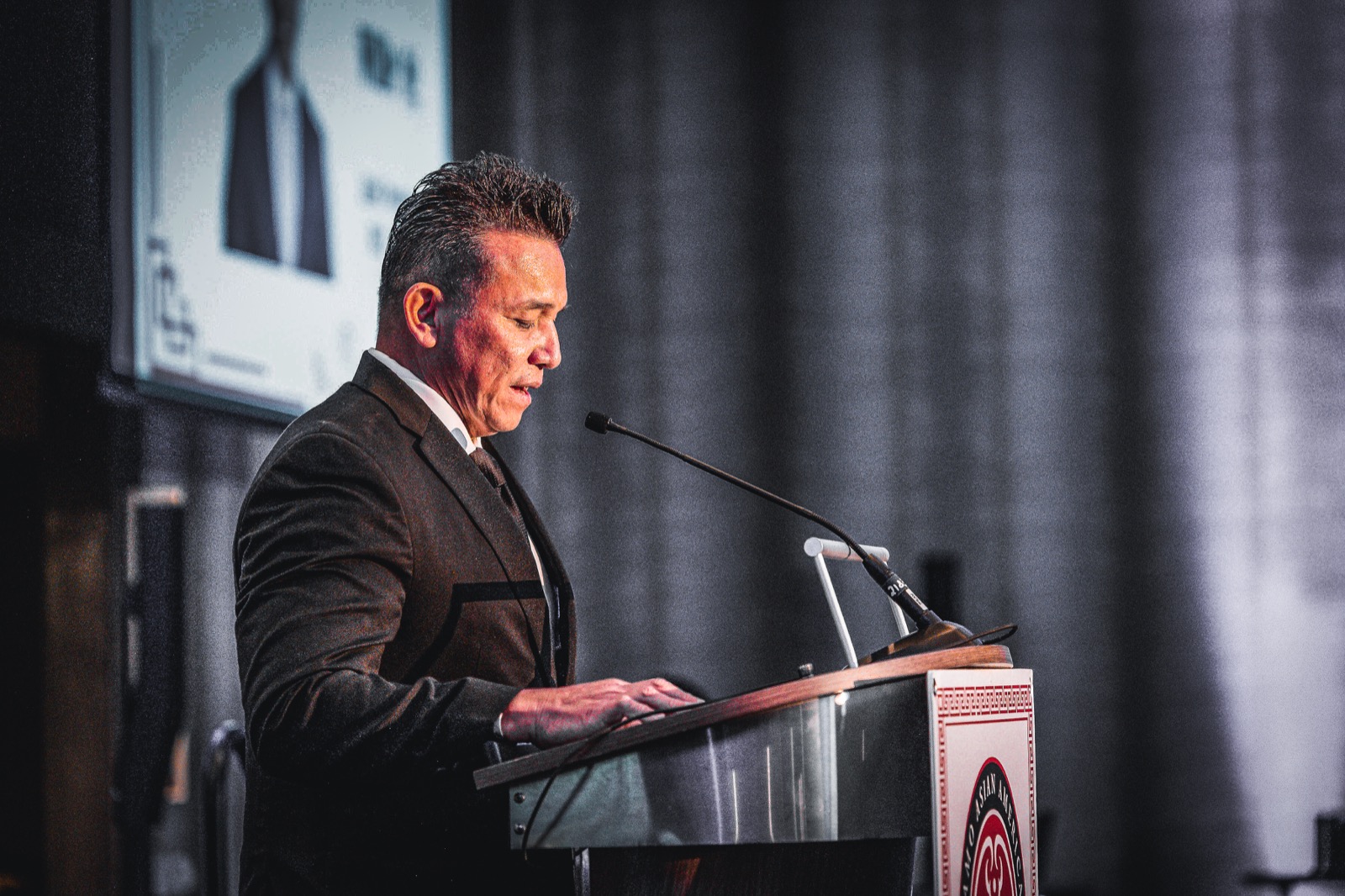
Some of the most important decisions of my life were made in seconds. On patrol, on a federal task force, as Chief Criminal Investigator leading a team of 54, and later while building a company from my kitchen table and fighting stage 4 cancer, I learned the same lesson over and over: pressure does not wait for you to feel ready.
People assume leaders who stay calm under pressure are fearless. They are not. They stay calm because they prepared before the moment arrived.
Whether you lead a squad, a company, a nonprofit, or a family, the quality of the decisions you make when the clock is running will define the quality of your leadership. Not the easy calls. The hard ones, made fast, with real consequences on the line.
A decision is only as good as the preparation behind it.
Put the framework to work
Start with the free Decisions Under Pressure playbook and build a practical plan before the next hard call arrives.
What “Deciding Under Pressure” Actually Means
Deciding under pressure is not about being reckless or moving fast for its own sake. It means making a sound call with incomplete information, real stakes, and a clock running, then owning whatever comes next.
Most people don’t freeze in those moments because they lack intelligence. They freeze because they never decided what they stand for before the moment arrived. When you haven’t settled that in advance, every high-pressure decision becomes a negotiation with your own fear. When you have, the decision is already half made.
The Myth of the Fearless Leader
The composure you see in someone who leads well under fire is not the absence of fear. It’s a trained response. I have never met a good decision-maker in a high-stakes field who didn’t feel the weight of the moment. The difference is they don’t let the weight make the call.
Fear is information. It tells you the stakes are real. The goal is not to eliminate it. The goal is to keep it from taking the wheel.
A Framework for Deciding Under Pressure
1. Decide Your Principles Before the Moment
The middle of a crisis is the worst possible time to figure out your values. Decide in advance what you will and will not do, where your lines are, what you are willing to be wrong about, and what you will never compromise. When the pressure hits, you are not inventing a decision. You are carrying out one you already made when your head was clear.
2. Train Until the Fundamentals Are Automatic
There is a saying I have carried for thirty years: slow is smooth, smooth is fast. Under stress, your training becomes your foundation. When the fundamentals of your job are automatic, your mind is free to handle the part you could not have scripted. Repetition is not glamorous, but it is what buys you calm when it counts.
3. Gather What You Can, Then Commit
Waiting for perfect information is its own decision, and usually the wrong one. Get the facts that actually matter, weigh them quickly, and move. A decisive, imperfect call made in time almost always beats a flawless one made too late. Leaders lose more ground to hesitation than to honest mistakes.
4. Separate the Decision From the Emotion
Name the pressure so it does not drive. In the moment, ask a simple question: what does this situation actually require, not what does my adrenaline want right now? That one beat of separation is often the whole difference between a reaction and a decision.
5. Own the Outcome, Good or Bad
The moment you make the call, it belongs to you. Accountability is what earns you the authority to make the next one. People will follow a leader who takes responsibility for a hard call far longer than one who goes looking for cover when it doesn’t break their way. Owning the outcome is not weakness. It’s the price of leading.
The Same Skill in the Boardroom
The stakes look different in an office than they do on a call. But the behavior is identical. A budget decision with no clean answer, a hard personnel call, a crisis with a client, or a moment where doing the right thing costs you something all require the same discipline: principles first, prepared fundamentals, gather fast, commit, own it.
That is the heart of my book, Split-Second Leadership. The same discipline that kept me steady in the field carries a leader through the boardroom and, in my case, the hospital room. Leadership is not the title you hold when the decision is easy. It is the behavior you show when it is not.
How to Build It Before You Need It
You can’t manufacture composure in the moment. You build it beforehand, in the small, unglamorous habits:
- Make small decisions quickly and stand by them
- Debrief every hard call: what worked and what you would change
- Train the fundamentals of your role until they run on their own
- Write down your non-negotiables and revisit them
- Practice staying calm in low-stakes friction so it’s there in high-stakes moments
- Take responsibility out loud, especially when it costs you
Do those long enough and the big decisions stop feeling like a leap. They start feeling like something you’ve already rehearsed.
Frequently Asked Questions
How do you make good decisions under pressure?
Prepare before the moment arrives. Decide your principles in advance, train the fundamentals of your role until they’re automatic, gather the critical facts quickly, then commit and own the outcome. Good decisions under pressure are the product of preparation, not instinct.
Why do people freeze when they have to make a decision fast?
Freezing is rarely a lack of intelligence. It usually means the person never decided what they stand for before the moment, or hasn’t trained the fundamentals enough for them to run on their own. When both are in place, the mind is free to handle what’s unpredictable instead of locking up.
Can decision-making under pressure be learned?
Yes. It’s built through repetition, honest debriefs after every hard call, writing down your non-negotiables, and practicing calm in low-stakes friction so it’s available in high-stakes moments. Composure under pressure is a trained response, not a personality trait.
Lead Like the Moment Matters
Every leader will face decisions where there is no perfect answer and no time to find one. What you do in those moments is the truest test of your leadership, and it is something you can prepare for starting today.
If you want the whole framework, Split-Second Leadership is the full story behind everything here: three decades of real, high-stakes decisions turned into leadership you can actually use. If you are just getting started, the free Decisions Under Pressure playbook is a strong first step.
Continue with Leadership Communication Skills to strengthen how the decision is explained, and What Strong Leaders Do After They Make the Wrong Call for the discipline required when the result shows that the first decision needs to change.
Because leadership isn’t measured by the calls you make when it’s easy. It’s measured by the ones you make when it’s not.
Get Split-Second Leadership: Ebook $9.99
Go deeper with three decades of high-stakes calls turned into leadership you can use. Prefer to start free? Get the Decisions Under Pressure playbook.